Our Web3 technology helps every industry, including real estate. Here Sabine Steinbrecher from Hiveologie shares with RISMedia how our solutions integrate with their curriculum to empower agents in the new digital landscape. https://lnkd.in/e9j-3XNd
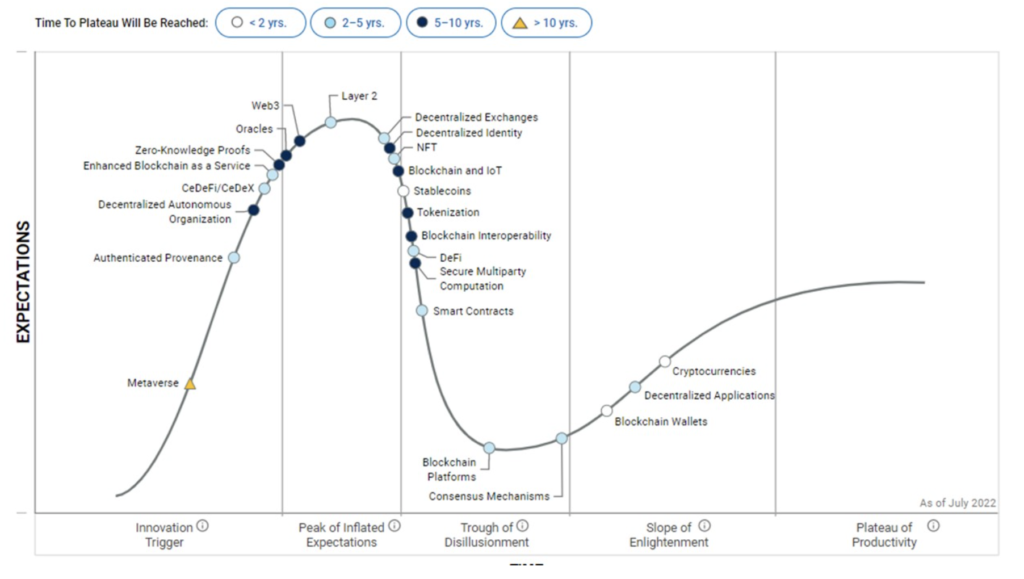
Gartner has released their in-depth look at the Web3 and Blockchain landscape and amongst several heavyweights in the field ShelterZoom has been included in two places on their Hype Cycle—one of just a handful of companies to be mentioned more than once. These two categories, Enhanced Blockchain As A Service (eBaaS) and Tokenization, span the timeline of the Hype Cycle showing how our innovations are both laying down the bedrock for higher standards in a Web3 era as well as already delivering market-ready products that can be used today.
As the report states, “Consumer apps like NFT games and commerce drive innovation as enterprises begin to realize business value. A tipping point in adoption will soon be reached, as risks are managed proactively.”
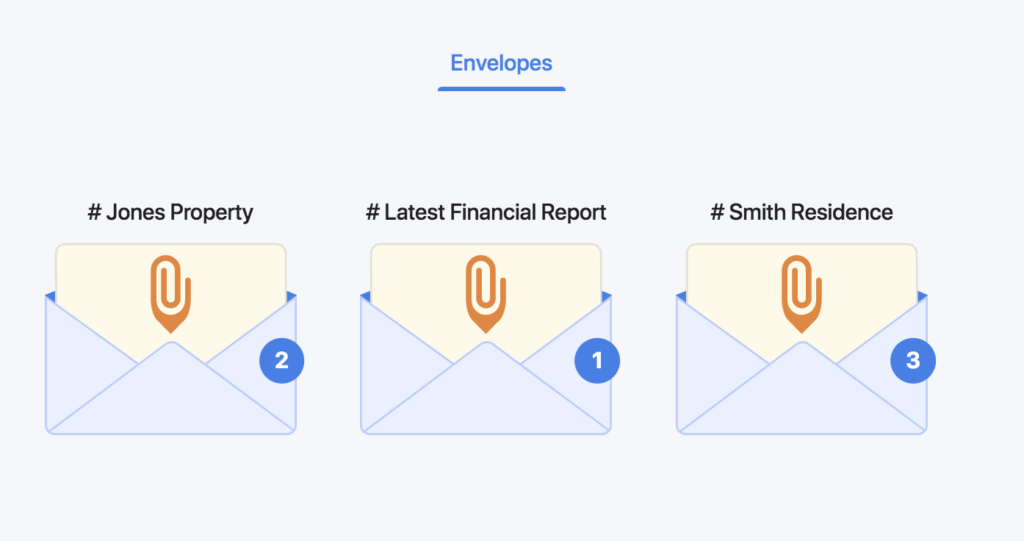
Our Document GPS extension is one of the first ways enterprises can integrate blockchain security right inside their employee email accounts so it eliminates the barrier of having to use additional platforms. It goes beyond bringing cybersecurity to your company. There are several productivity features as well that let you see in one screen how all your attachments have performed and give you a way to add recipients even after you have sent an email. Until now most BaaS products provided one service or one solution. Document GPS wraps a half dozen (at least) solutions into one email extension giving you multiple features in each of the categories of security, privacy, productivity and ease of use.
Contact Sales to find out more: sales@shelterzoom.com
A physical representation of Antifragile: The world’s tallest building, the Burj Khalifa in Dubai, can sway up to two meters back-and-forth at its 163rd floor.
This article originally ran in RISMedia as part of Allen Alishahi’s ongoing series.
The companies that survived the peak months of the pandemic were the ones that adapted quickly to the changing conditions and continued to evolve as each phase of the virus brought new challenges.
I’m reminded of the concept behind the book “Antifragile” by Nassim Taleb, the same author behind “The Black Swan” theory. His premise is that there are people/organizations/governments that can become stronger after a major upheaval. In other words, they’re “antifragile.”
The real estate industry has become stronger in many ways because of the pandemic. We quickly adapted to technology that helped our clients who couldn’t meet in person and relied on more tools to significantly speed up the paperwork process. All things considered, real estate is a strong contender for an industry that can fit an antifragile model, but there are two fundamentals that must be in place first.
Virtual interactions need to be more secure and have more degrees of privacy. We’ve been forced to move many of our interactions into the digital universe, but the risks involved are significant. If we’re talking about all the crucial documents that travel back and forth both inside and outside an organization, we need to move beyond attaching them in emails or keeping them on a server—even if it’s password protected.
Not only is there risk of data hacking, but there’s also the possibility of human error—such as adding new people to the email thread later in the process and giving them access to information you didn’t want them to see. We need a more sophisticated way of sharing documents and better places to store them.
Integration is the only way forward. Security is a necessary goal, but if it slows down the pace of business, it can negatively impact the bottom line. The next step is bringing all the platforms together so that employees aren’t wasting time jumping between document management software, messaging platforms and their CRM. This is how data gets lost or falls into the wrong hands. If companies had a single platform from which they could run all their major workflows, they would have a much more streamlined way of doing business. All their contracts, paperwork, marketing materials, message histories, etc., could be housed in a single platform using blockchain-based security so that everything is protected.
There’s more to be said about how we can keep moving toward an antifragile future for our industry. We also need to look at how we market properties beyond the usual aggregators, and how we build relationships with clients in a digital environment while still retaining the heart and soul that makes our jobs worthwhile. Let’s look to the future with an eye toward building these foundations into our profession’s DNA.
Real estate agents are the lifeblood of a secure housing market. At ShelterZoom we believe agents are more vital than ever, even as more and more digital tools try to erode their role at every point in the process. Here are just a few ways real estate agents use Document GPS to make their lives easier while also adding value to their clients’ experience.
Customize VIP Marketing (without a huge hassle)
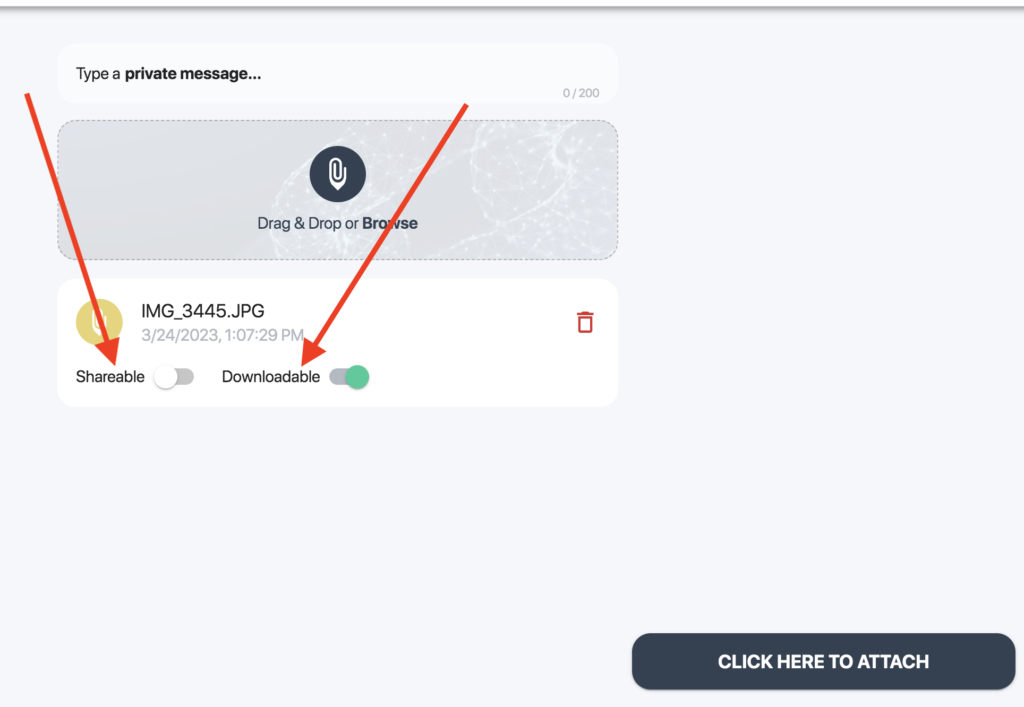
Agents have specialized knowledge that differentiates them from their competitors. But sharing this knowledge openly is risky since it can then be used by other agents to try to win a listing or get more clients. Document GPS solves this problem by giving agents a way to send attachments to their clients, without them being able to share them with anybody else. Or, if they do want it to be shared, they can choose which downstream users can have access and revoke anyone’s access at any time.
Reduce Escrow Fraud and Show Clients You Care About Their Digital Security
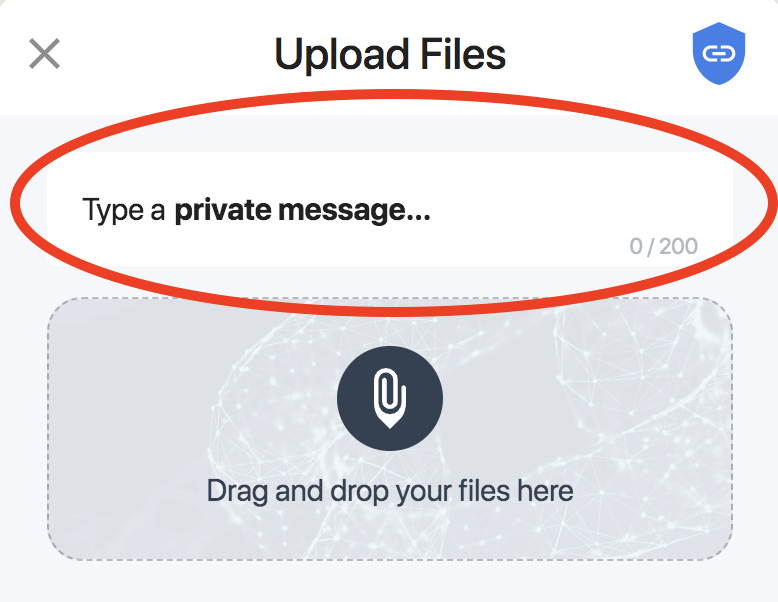
Send your clients the escrow account numbers either in a blockchain-protected file you upload as an attachment or in the encrypted message section that accompanies each email. Even Google can’t read your encrypted message.
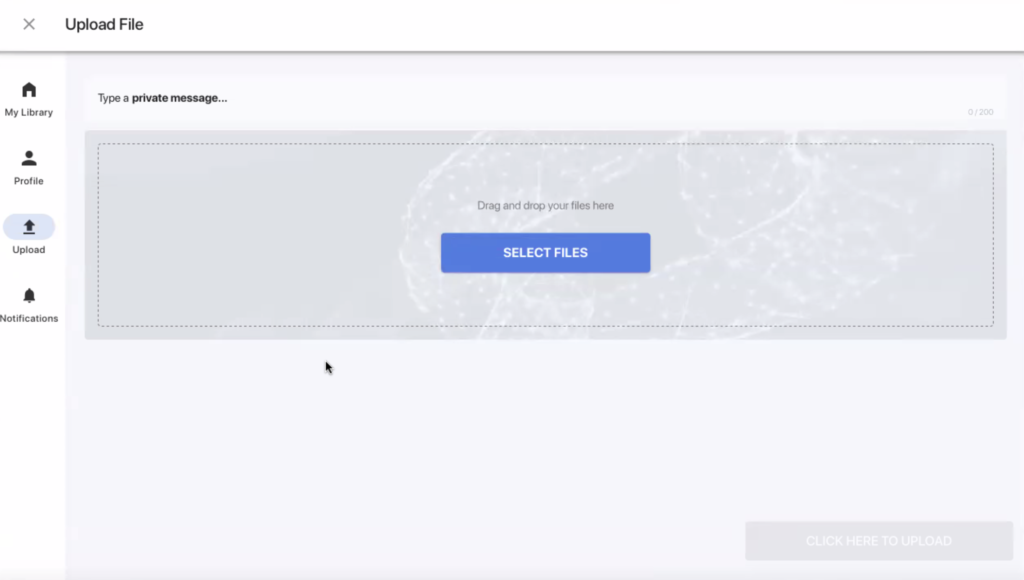
Document GPS gives you a Secure Link you can send to clients where they upload files into your private vault. Right away you show clients you protect their security online from your very first email.
Require a bank statement to show proof of funds?
This is the way to receive sensitive information without risk of it being accessed by anyone who shouldn’t see it.
Need to receive signed contracts?
Request them using Secure Link so they are keep inside your vault.
Take Back Documents Even After You Have Pressed Send—In One Simple Click
Did you send someone a file you don’t want them to have access to anymore? Maybe it was a marketing plan, proprietary research, or other bespoke materials you need to control. If you have already sent your files you can revoke access to them by deleting the recipient in one click.
Stay Organized With Better Folder Structure
Where else can you organize your attachments inside your email account besides Document GPS? This is the only blockchain-secure way to give your files multiple tags without having to make a copy. One document can be in as many folders as you like so you can collate your document library by Client, by Year, by Property Type, by Future Knowledge Needed…or whatever category you see fit.
Ready to learn even more about how Document GPS can help you? It’s time to talk to us. Contact us at Sales@shelterzoom.com.
The latest buzz in the world of technology is something called “non-fungible tokens” or NFTs. Even though the current trend has NFTs operating within the parameters of selling digital artwork, it won’t be long before the technology enters the real estate industry and alters the way we carry out parts of a real estate transaction. There has already been an initial foray into real estate with a San Francisco landlord putting a 75-year lease up for auction on an NFT site, but this is just the beginning when it comes to how non-fungibles will integrate with our industry.
For a brief overview of the technology, an NFT is a digital certificate that indicates who the owner of an object is—and is stored in such a way that the record of ownership cannot be altered, while also allowing the chain of ownership to be tracked during the entire time the object exists. The type of technology that stores all this information is called blockchain, which simply refers to a digital platform where records and documents are saved simultaneously in many locations (nodes), making it impossible to change anything without it being noticed. An NFT can also come with the option for the original owner of the object to receive a predetermined commission each time the object is sold to a new owner. The landlord in San Francisco, for example, has built into his NFT a 1% royalty each time the property transfers ownership.
For the rest of us, we can look to the entire package of documents and contracts that accompany a real estate transaction as the place where NFTs will become something we use frequently. Title/ownership documents, property surveys, land plats—these are all ripe for being preserved as an NFT since they are the backbone of a secure property transaction. From there, it will become commonplace to save the sales contracts and mortgage paperwork in a similar fashion…and then the rest will follow suit.
We don’t have to worry about this creating more work for real estate professionals since the software platforms where it all takes place don’t require any more tech know-how than the saving and uploading of documents we already do on a daily basis. If anything, it will save time overall since it will make transactions go more smoothly.
While many real estate agents are skeptical of yet another new technology that promises them the world, we should welcome non-fungibles without too much worry. They will make it easier for agents to ensure that the correct paperwork is in place and help clients feel reassured about the dozens of details they need to verify before closing, all without creating excessive work for agents. Once NFTs take hold, they will be here to stay.
This Op-Ed by ShelterZoom cofounders Chao Cheng-Shorland and Allen Alishahi originally published in New York’s Gotham Gazette, a publication focusing on New York policy and politics. We’re posting it as part of our look at blockchainuse cases beyond cryptocurrency.
Blockchain – many know it is a technology of the moment, but few understand how it works. It’s just one of those things that sounds important, but so many eyes glaze over when the phrase is used. But more and more, the use of blockchain technology is becoming commonplace, and it’s time we consider using it to make sure elections are as secure as possible.
First, the basics.
Blockchain is known as a “decentralized ledger” — meaning that whenever a change is made to any digital information it contains, the change is recorded in multiple locations with a time and date stamp. These locations are known as “nodes.” So, it would be next to impossible for someone to simultaneously change any information in all the nodes without detection. That information is incredibly secure.
First used in cryptocurrency, blockchain’s use has expanded in recent years, to facilitate contracts, track supply chains, and conduct business virtually. But its potential in elections is especially exciting.
There are already some examples of blockchain at work in our democratic process. A handful of states have tested mobile application-based blockchain voting, including in the recent national elections. For example, voters in one Utah County had the option to use it to vote; this was so successful that the Utah State Legislature has introduced a bill to allow voting via blockchain in off-year municipal elections as well.
West Virginia also allowed members of the military and Americans overseas to cast their votes via a blockchain-based platform in 2018. When we consider the impact this could have in New York State, it is especially intriguing. After all, the 2021 New York City municipal elections are on the horizon – off-year contests that historically attract relatively few voters.
Here is how blockchain voting would work: Voters would be issued a blockchain ID or unique token whose digital voting activity can be tracked and traced, as we said, up and down the highway of information and right back to the source (the blockchain ID is simply an ID, not something that can track your digital or physical movements). Registered voters and new voters could authenticate their blockchain ID through an easy-to-verify process, similar to what one does when signing digital contracts or acquiring a driver’s license.
Once a voter’s identity is confirmed and the blockchain ID is authenticated, a platform with an application attached to it would be sync’d, similar to what took place in Utah County and West Virginia. This could be done in-person at polling stations as well. Once the vote is submitted, the vote is immutable and locked in. Each “voter key” always follows that voter so election boards would know who that voter is — and where the vote is coming from. Hacking is pretty much impossible.
To be clear: it would be voluntary. No voter would be forced to use this technology. Therefore, it can never be used as a way to disenfranchise voters by creating onerous standards for identification.
Other benefits to incorporating blockchain in voting include:
The results are instantaneous as the time-stamped votes are tallied right away. This helps ensure voter and others know who their leaders are, avoiding the lag time we saw in some races, including New York.
It promotes social distancing in a way that early voting could not as people waited hours to vote in long lines less than six feet apart.
Mobile voting will become the norm for the next generation, already adept at using phones to conduct many daily tasks.
It promotes voter equity. Nearly everyone has a mobile phone, a tablet, an electronic device, or at a minimum access to a wireless hotspot that ensures virtually everyone of all backgrounds has access to the polls, including voters from lower-income neighborhoods, voters stationed overseas, or voters with disabilities. The more ways citizens have to vote securely, the better.
It creates cost efficiencies over time through reduced costs of running elections, including the time saved in faster and more accurate results that could reduce the days of counting votes and need for recounts.
While we should not go from zero to 60 when it comes to blockchain-based voting, we should continue to gradually incorporate its use and build upon its successes to-date. In the future, blockchain voting should be “on the ballot.”