CEO Chao Cheng-Shorland wrote this op-ed for Nasdaq.
Did you know you don’t technically own your own medical records?
Each state has slightly different legal variations on the matter, but at the end of the day healthcare providers have the right of possession over patient data across the U.S. While there are many unfortunate inequalities in today’s healthcare systems, the issue of ownership of medical records affects everyone and is a major roadblock, causing a reduction in the quality of care.
Remedying our healthcare system’s shortcomings is certainly a tall task, but solving the problem that results from the lack of patient-owned medical records, and doing so at scale, is a manageable challenge because there are available technologies capable of making this possible. Everyone has grown accustomed to retail-investor questions about tangible blockchain use cases beyond the hype of products like NFTs, and this is a clear one.
Impacting the quality of healthcare
Imagine you get bloodwork done at a local hospital and the following week, when a doctor from the hospital calls you with the results, he tells you there are some troubling signs. He recommends a couple of specialist clinics with whom to follow up, but when you reach out to make an appointment they need the results from the hospital. Now you have to contact the hospital and figure out a way for them to send you a physical or electronic copy. By the time the necessary specialist clinics have the bloodwork results, critical time has passed and your condition, potentially, could have deteriorated.
Not owning one’s own medical records has a directly negative effect on the quality of care patients receive, because they need to jump through bureaucratic hurdles to get a hospital, for example, to share their medical records with a specialist’s clinic. With health data scattered across clinics, hospitals, general practitioners’ offices, and sometimes even digital health apps or portals, patients struggle to promptly provide a new specialist or new family doctor with a reasonable medical summary.
The easiest way to overcome these obstacles is to enable patient control over their own medical data. In 2021, nearly 90 percent of physician offices in the U.S. had already adopted an electronic health record (EHR) system. While EHRs are certainly more convenient when compared to their manilla folder predecessors, they tend to create three-way complications and disputes between EHR vendors, medical practices, and patients over data ownership.
As a result, confusion over ownership and access to medical records remains a sticking point to fixing something that is clearly broken, or at best, not working nearly as efficiently as it could. However challenging it may be, healthcare providers across the U.S., and ideally the world, should work to establish a standard for granting patients control of their medical records.
The case for blockchain in healthcare
Blockchain technology is the most ideal tool for giving patients ownership over their medical records. But more importantly, it empowers patients with the confidence to pursue the best course of action when it comes to quality medical care. After the recent downfall of Sam Bankman-Fried’s FTX, many in traditional tech might see blockchain as toxic because of its association with the crypto industry. But blockchain as a technology offers unique benefits for industries outside of crypto or finance, especially as it relates to ownership of data.
By nature blockchain’s ledger is permanent with an unalterable history of transactions. This transparency makes it the best route toward empowering patients to take control of their own health data, yet all the while keeping patient records private and secure. By leveraging blockchain technology, hospitals, clinics, and healthcare providers will be able to improve the quality of care by simply making communication between health institutions smoother and faster.
Using blockchain to give patients ownership of their own records would be extremely popular and would lead to nothing short of an industry-wide revolution. Making this happen on a global scale would be quite the undertaking, but there are blockchain tools and platforms already available that can be leveraged by hospitals, healthcare providers, and private practices to get the ball rolling.
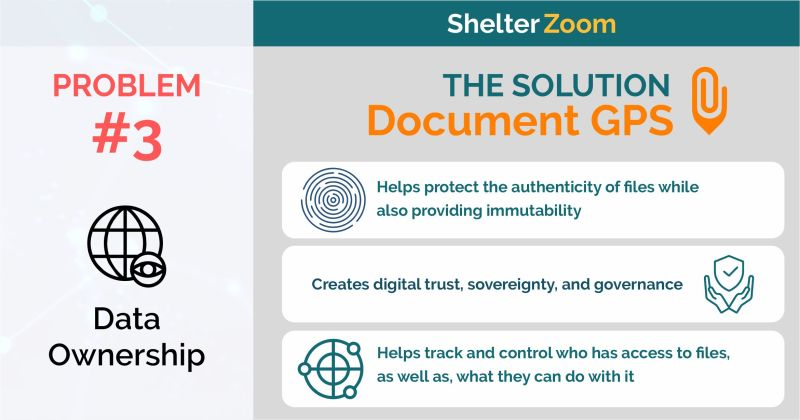
With blockchain technology tokenizing patient records, providing irrefutable ownership and unprecedented levels of security, healthcare providers of all types will be able to spend less time on bureaucratic tasks and dedicate more time to providing patient care.
Investing in solutions that leverage blockchain’s ability to provide transparent, indisputable ownership, and permissioned access of medical records, will lead to improved quality of care. Over time this investment will benefit patients’ health which in turn benefits the entire healthcare system, saving on costs down the line—think of patient ownership as a form of preventive care. Together, blockchain technology and healthcare providers, with a bit of innovation, can usher in a new age of patient-first care.
For more information on how we solve some of healthcare’s most pressing cybersecurity problems, head to our healthcare page.